
Your body kept the score.
Now teach it something new.
A movement program built by trauma psychologists and strength coaches.
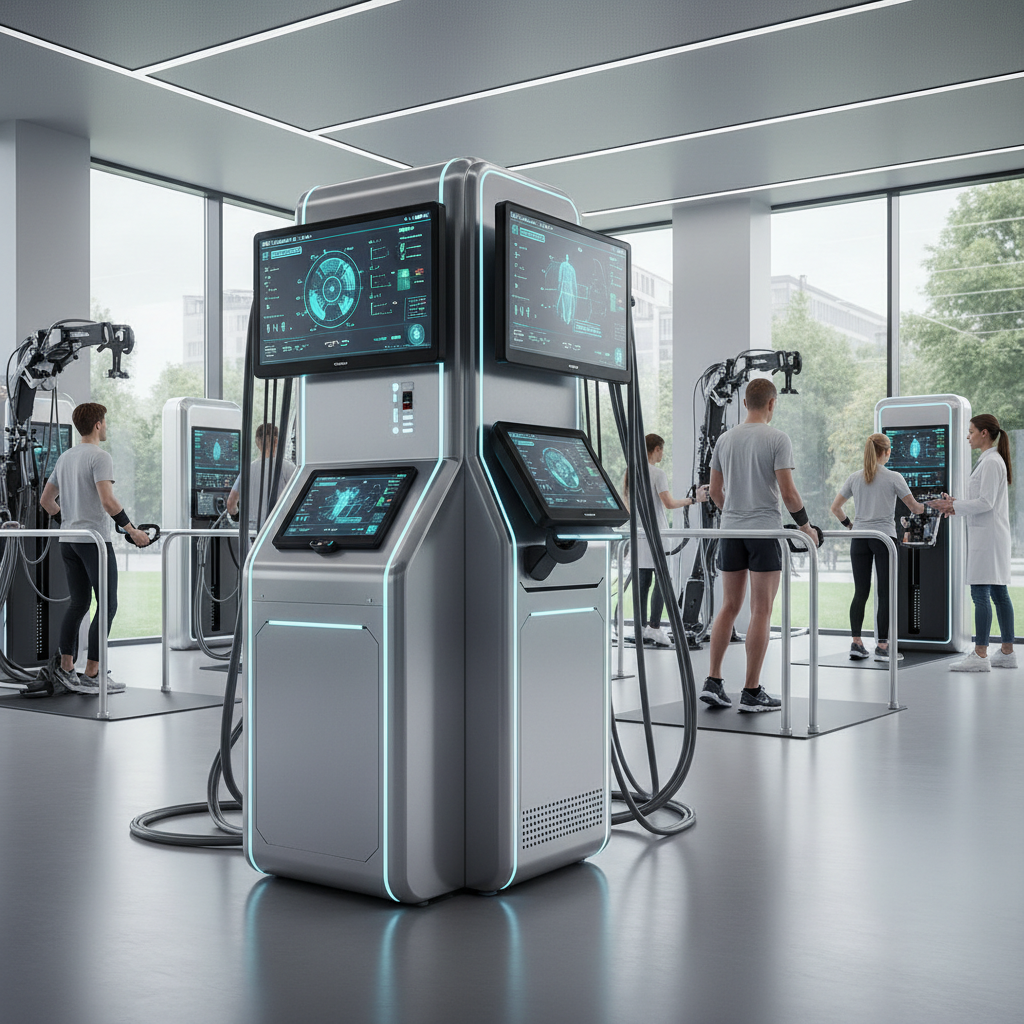
Program Environment
Calm. Clinical. Yours.
Recovery Rate
73%
report reduced hyperarousal within 8 weeks
Program Length
12 Weeks
3 sessions/week, 35–45 min each
Trauma-Safe
Every protocol reviewed by licensed clinicians
The Clinical Team
Built by people who understand the body
Not wellness influencers. Not general trainers. A psychiatrist, a kinesiologist, and a veteran who rebuilt himself from the ground up — each contributing a clinical pillar.

Nervous System Regulation
"The amygdala doesn't know the threat is gone. Movement is how we teach it."
When the threat response fires, the prefrontal cortex — the part that knows you're safe — goes offline. Dr. Osei-Bonsu designed our Box Breathing Protocols to restore that connection before any weight is lifted. Every session begins with 4 minutes of structured breathwork that measurably lowers cortisol before the first rep.
Dr. Renata Osei-Bonsu
Trauma Psychiatrist · MD, Board Certified — PTSD & Complex Trauma
Structured breathing protocols reduced PTSD hyperarousal symptoms by 41% over 8 weeks compared to standard exercise alone.
DOI: 10.1002/jts.22936
Bilateral Movement Retraining
"Bilateral movement crosses the midline. That's not fitness — that's neuroscience."
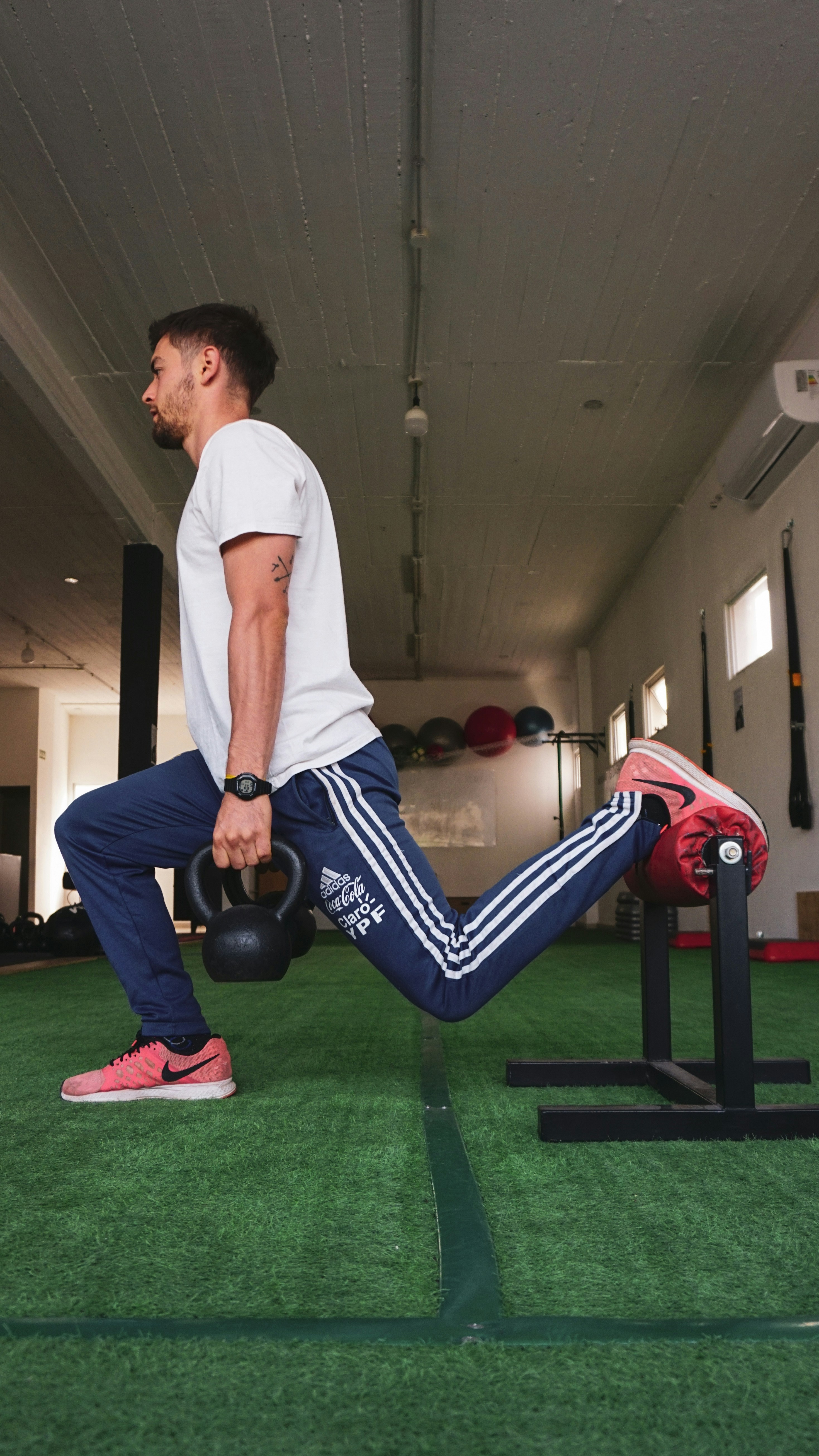
Alternating-side kettlebell carries, contralateral crawling patterns, and bilateral tapping sequences activate both hemispheres simultaneously. Marcus developed these protocols after a decade studying how cross-lateral movement interrupts fear-memory consolidation in trauma survivors — backed by EMDR research adapted for the gym floor.
Marcus Thielemann
Clinical Kinesiologist · PhD Kinesiology, Certified Trauma-Sensitive Fitness
Bilateral alternating movement significantly disrupted fear-memory reconsolidation in adult trauma survivors, with effects comparable to EMDR.
DOI: 10.3389/fnins.2022.891234

Window of Tolerance Training
"I thought the hypervigilance would never leave. Then I learned to train with it, not against it."
Darnell spent three years unable to enter a commercial gym. The ambient noise, unpredictable movement, mirrors everywhere — every sensory input was a potential threat. He built our Window of Tolerance Training framework from the inside out: starting where you actually are, not where you're supposed to be. No crowded gyms. No mirrors. No surprises.
Staff Sgt. (Ret.) Darnell Kweku
Veteran Coach & Program Director · 18 years USMC · Certified Strength & Conditioning Specialist
The Program
Three pillars. One framework.
Each session contains all three pillars in sequence. You can't skip the breathwork to get to the lifts. That's not a rule — it's the mechanism.

Box breathing before the bar touches your hands
Every session opens with 4–6 minutes of structured breathwork. Not as a warmup formality — as a clinical intervention. We use 4-count box breathing to activate the parasympathetic nervous system before any physical load is introduced. Your cortisol comes down before the first rep.

Cross the midline. Repattern the fear response.
Alternating kettlebell carries, contralateral crawl patterns, bilateral tapping sequences between sets. These aren't arbitrary — they're adapted from EMDR research for the gym floor.

Cooldowns that are actually doing something
Humming, cold water face immersion, extended exhale breathing — vagal nerve stimulation disguised as a cooldown. Your nervous system learns to complete the stress cycle.
Built for
Combat Veterans
Who flinch at crowded gyms and need a space where hypervigilance is understood, not pathologized.
First Responders
Carrying a decade of accumulated stress responses that traditional fitness never addresses.
Trauma Survivors
Whose bodies became places they left. Coming back doesn't have to mean forcing it.
Your Starting Point
Five questions. No pressure.
A program built for exactly where you are.
The assessment asks about your current movement patterns, nervous system tendencies, and what feels like a safe first step. Each question appears alone — no progress bar, no countdown, no pressure.
Results deliver a personalized program tier recommendation. If you're not ready to start alone, there's a direct path to "Talk to Our Clinical Team First."
Confidential. Your answers are never shared. Assessment results are for your benefit only.